The records had been rewritten, champions crowned and history made. After days of extraordinary sporting drama, Asia’s finest Para athletes took their final bow as the Aichi-Nagoya 2026 Asian Para Games came to a colourful and emotional close on Friday at the Nagoya City Mizuho Park Athletic Stadium.
From established champions defending their crowns to newcomers making their mark, the fifth Asian Para Games produced stories that stretched well beyond the medal podium.
Some left with medals. Others with personal bests, invaluable experience and fresh ambitions for the future. Together, they showcased the remarkable strength and growing depth of Para sport across Asia.
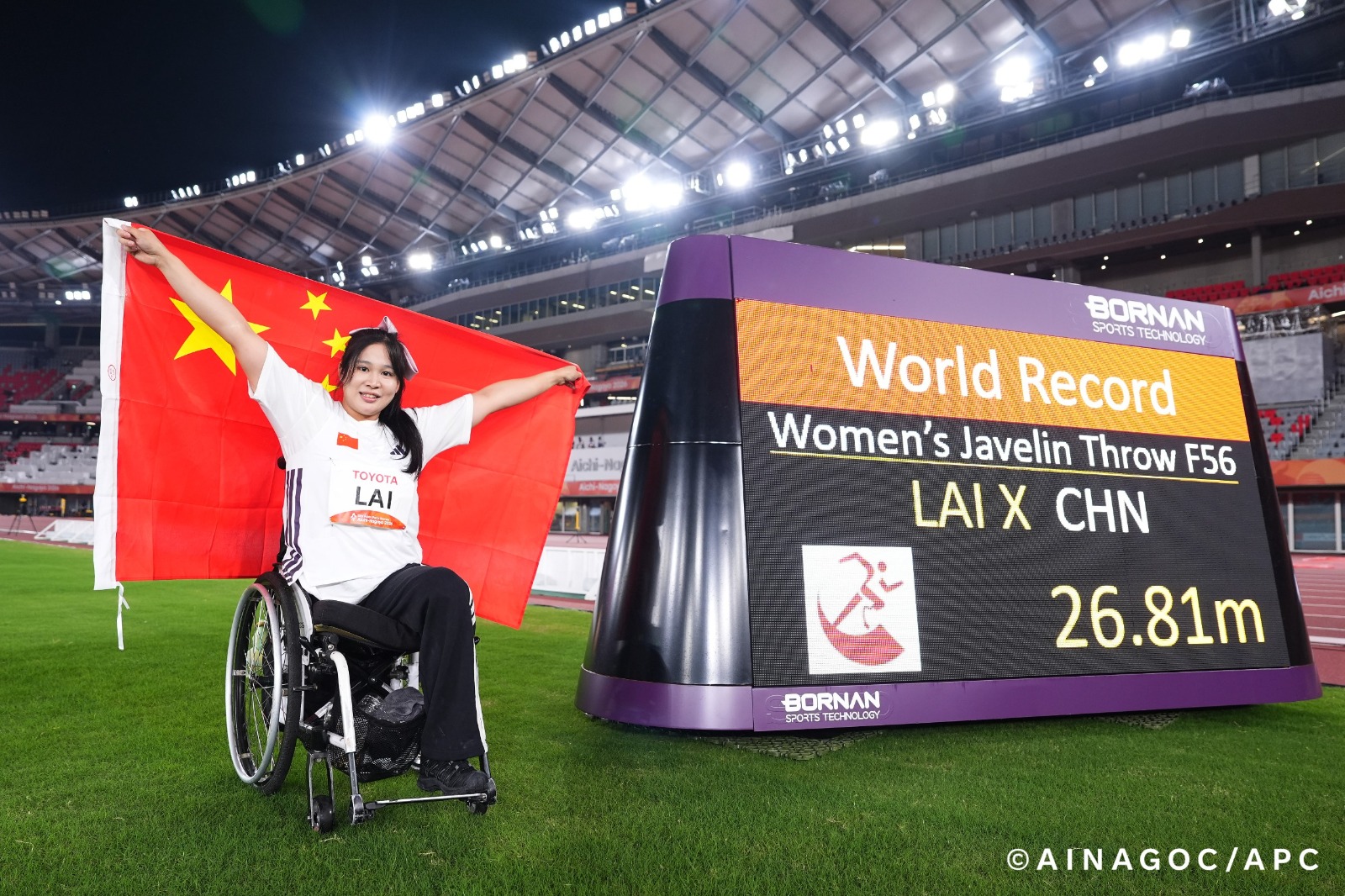
Records Tumble, History Is Made
The Games brought together athletes from all 45 member nations and regions for the first time, marking a significant milestone for the Asian Paralympic Movement. Across the competition venues, athletes set 27 world records, 81 Asian records and 306 Games records. Altogether 1,538 medals were awarded at the 5th Asian Para Games with 33 nations winning at least one medal while 22 nations winning at least one gold medal.
China once again topped the medal table with an imposing 207 gold, 117 silver and 111 bronze medals. Host Japan enjoyed its most successful Asian Para Games campaign, winning 64 gold medals, comfortably surpassing its previous best of 45 at Jakarta-Palembang 2018. Japan finished second, followed by Uzbekistan, India and the Republic of Korea.
There were historic firsts, too. Tajikistan and Cambodia celebrated their maiden Asian Para Games medals in para judo and para athletics, respectively, giving two nations new reasons to dream.
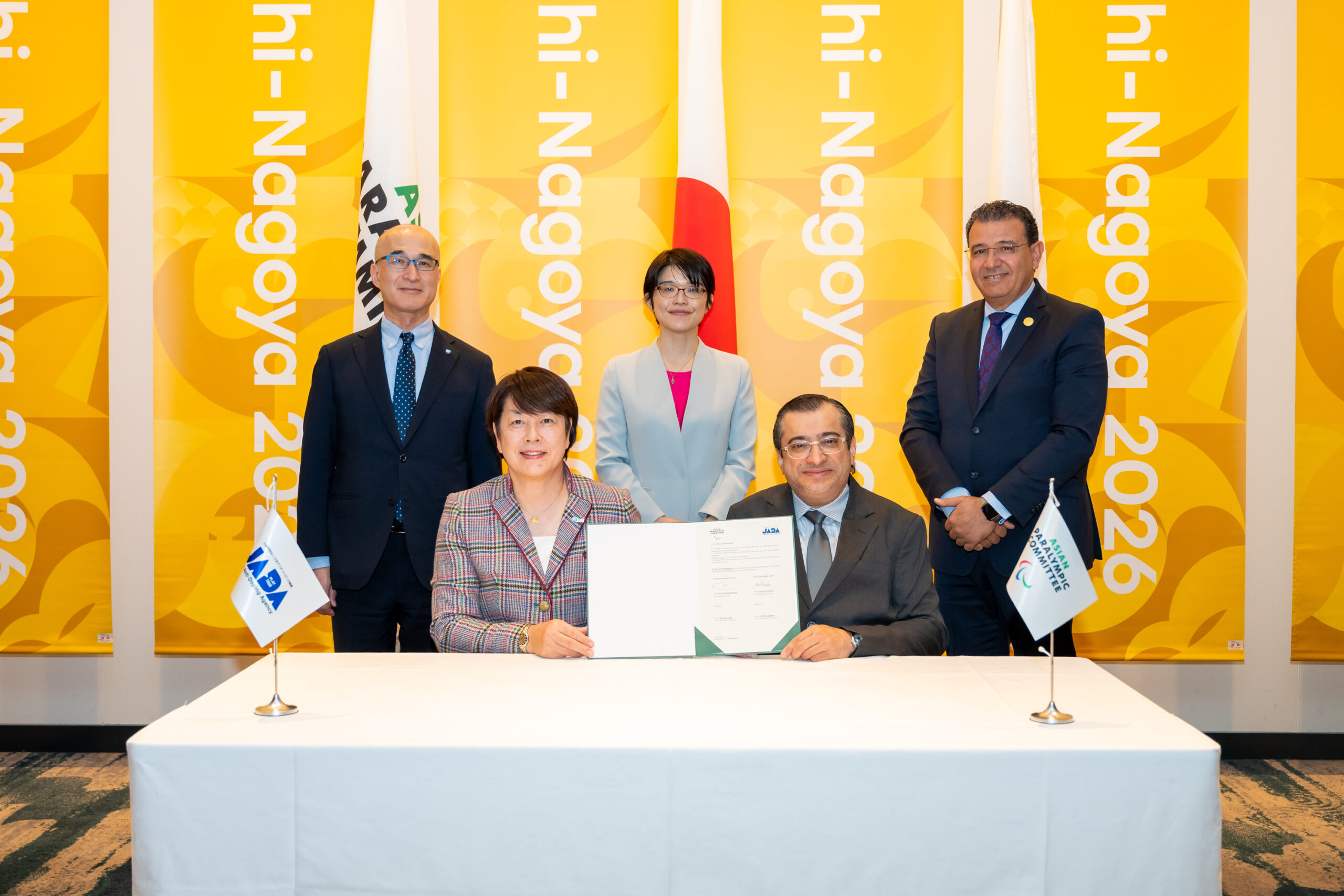
APC President Majid Rashed Calls For A Legacy Beyond Medals
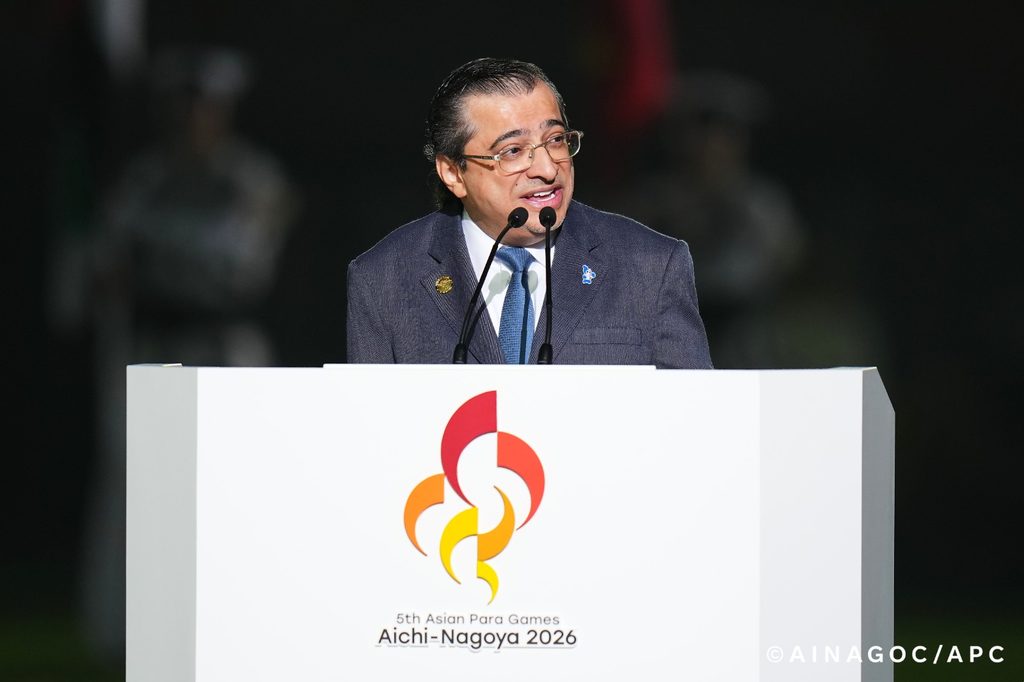
Asian Paralympic Committee President Majid Rashed urged Asia not to allow the momentum generated in Nagoya to fade with the extinguishing of the flame.
“The records will stand, the medals will be treasured and the memories will remain. But the true legacy of Aichi-Nagoya 2026 will be measured by what we do next,” Rashed told the gathering at the stadium.
He called for greater opportunities for athletes with disabilities and stronger pathways for future generations.
“More athletes discovering their potential, more countries developing their talent, more people with disabilities finding their rightful place in sport and society. The greatest tribute we can pay to our athletes is not simply to celebrate what they have achieved here, but to ensure that the next generation has even greater opportunities.”
His words reflected the message behind the Games’ theme, WABI — We Are Beautiful Individuals, a celebration of individuality that encouraged people to look beyond disability, nationality and cultural differences.
Ohmura Praises Athletes And Organisers
Aichi-Nagoya 2026 Organising Committee President Hideaki Ohmura paid tribute to the athletes and the thousands of people who helped deliver the Games.
The Aichi Prefecture governor acknowledged the enormous challenge of staging the event and said he was deeply impressed by the dedication of the organising team.
But it was the athletes who drew his most heartfelt praise.
“Your efforts have ignited a fire in the hearts of many people. I am convinced that this fire will never be extinguished but will burn even brighter and stronger, leading to the realisation of an inclusive society that respects diversity, the very philosophy we uphold as the guiding principle of these Games,” Ohmura said.
For the organisers, the hope is that the enthusiasm generated across Nagoya and Aichi will translate into lasting changes in attitudes towards disability and greater participation in Para sport.
Doha Takes The Baton
With the formal speeches over, attention turned to the next chapter in the Asian Para Games story.
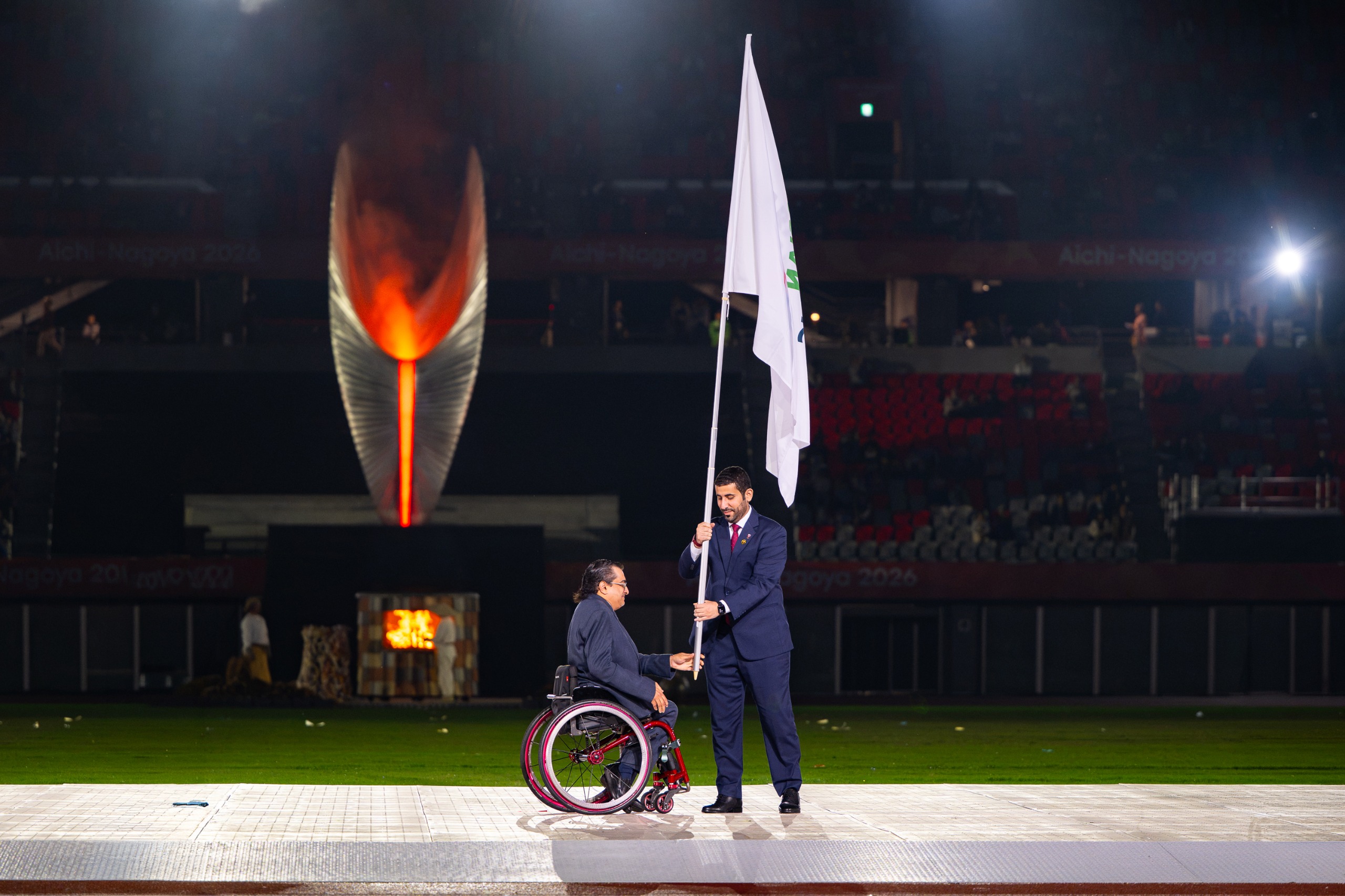
The Asian Paralympic Committee flag was lowered and handed to Ahmad Abdulla Al Buenain, CEO of the Doha 2030 Asian Games Organising Committee, marking the symbolic transfer of hosting responsibilities to Qatar.
Doha will stage the next Asian Para Games in 2030, alongside its preparations for the Asian Games, as the continental sporting movement heads towards another major gathering in the Middle East.
One Final Dance, One Last Flame
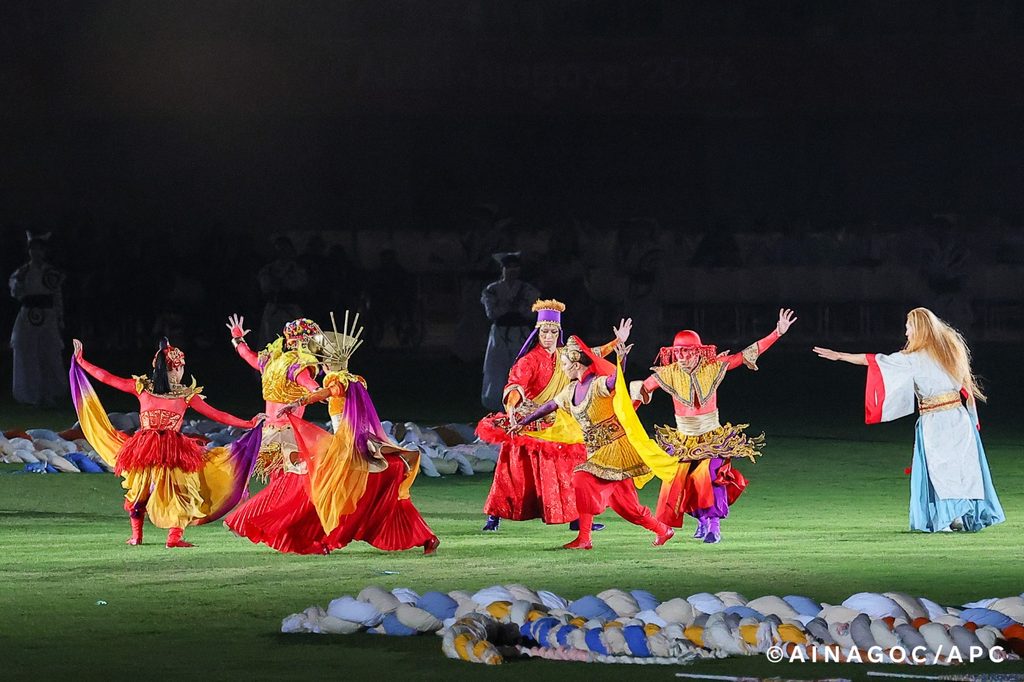
The closing ceremony saved its most poignant moments for the end. As the stadium lights faded, artistic director Kaiji Moriyama stepped into the spotlight for a solo dance before other performers joined him, turning the arena into a stage for one final celebration.
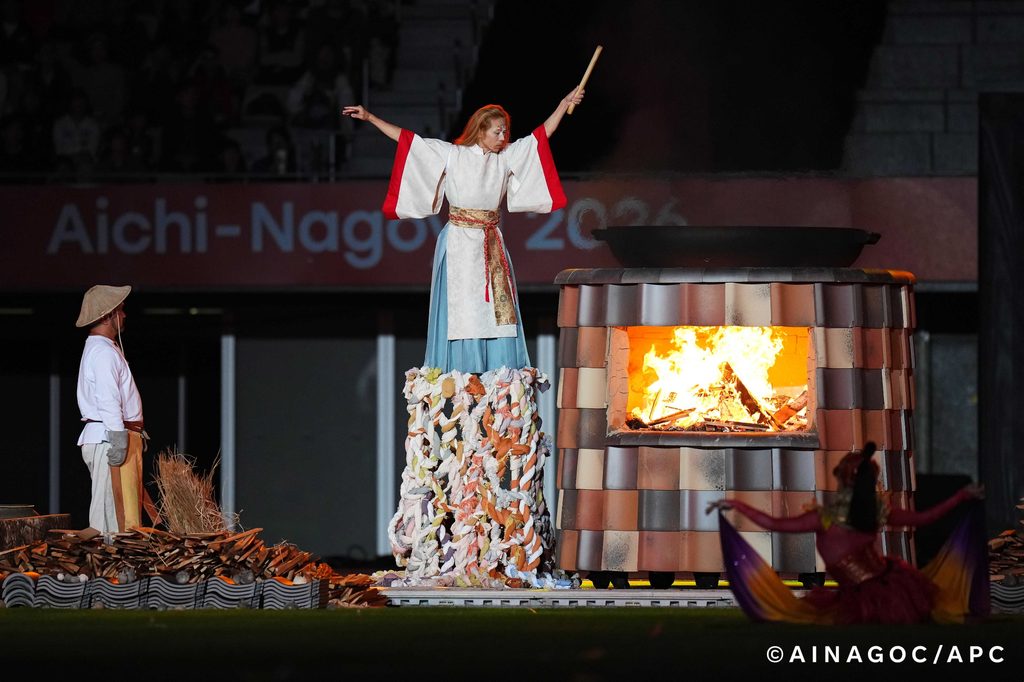
Then came the moment that signalled the Games were truly over. Local artists Koji Takahashi, a product designer, and Akira Koie, a ceramic artist, approached the ceremonial flame and tossed sand onto it, extinguishing the fire that had burned throughout the competition.
It was a quiet, symbolic conclusion to Games filled with noise, emotion and sporting drama. The medals will find their way into cabinets, the records into history books and the athletes back to training.
The flame may have gone out in Nagoya, but the dreams it ignited are already on their way to Doha.
By ND Prashant for APC