A field of 264 swimmers from 29 countries will compete for 114 gold medals in Para swimming at the Nagoya City General Gymnasium [Rainbow Pool] in Japan from 19 to 23 October, as Asia’s leading Para swimmers gather for five days of competition at the Aichi-Nagoya 2026 Asian Para Games.
China will arrive as the clear benchmark, having topped the para swimming medal table at Hangzhou 2022 with 150 medals that included 56 gold, while Japan finished second with 19 golds. The two leading nations will face a wider field that includes established contenders from Indonesia, Iran, Hong Kong, Uzbekistan, Singapore and Kazakhstan, among others. With China looking to maintain their dominance and Japan benefiting from the advantage of competing on home soil, the stage is set for a competitive battle across the pool.
China Bring Proven Champions
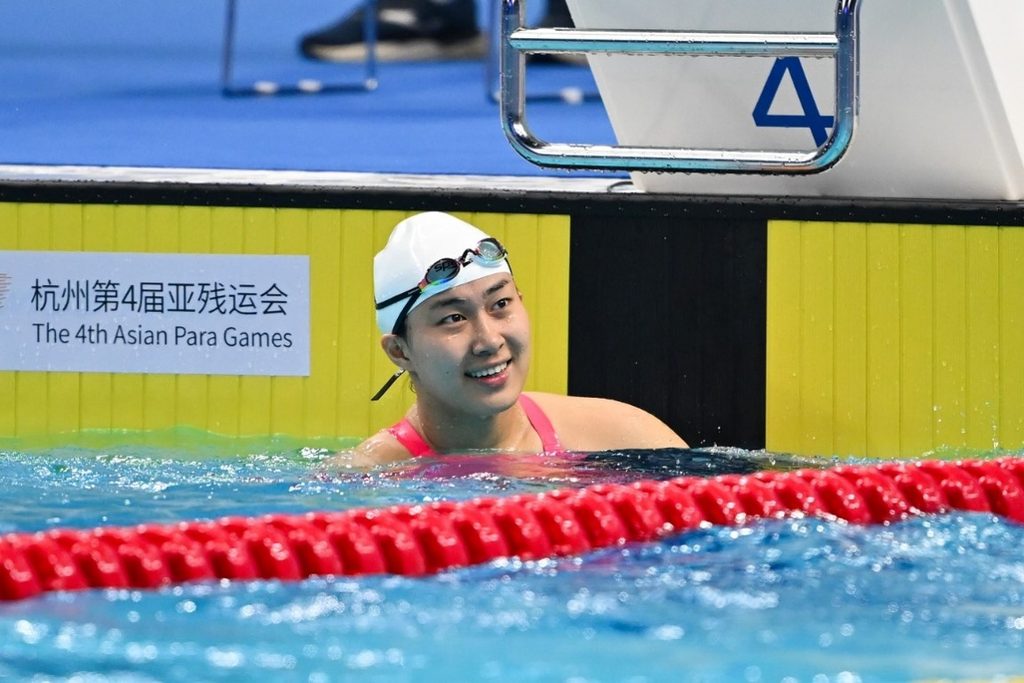
China will arrive in Aichi-Nagoya 2026 with a group of proven champions, continuing a tradition of dominance that was evident at Hangzhou 2022. Among the country’s leading names is Yuyan JIANG, whose remarkable record includes five gold medals at the Hangzhou Games and six golds at the Paris 2024 Paralympic Games.
Having also won two gold, one silver and one bronze at Tokyo 2020, S6 swimmer Jiang brings a wealth of major Games experience to the Chinese challenge and will be one of the swimmers to watch in Japan.
Guo Jincheng is another major figure in China’s line-up. The S5 swimmer won two gold and three silver medals at Hangzhou before producing an even stronger performance at Paris 2024, where he collected four gold and two bronze.
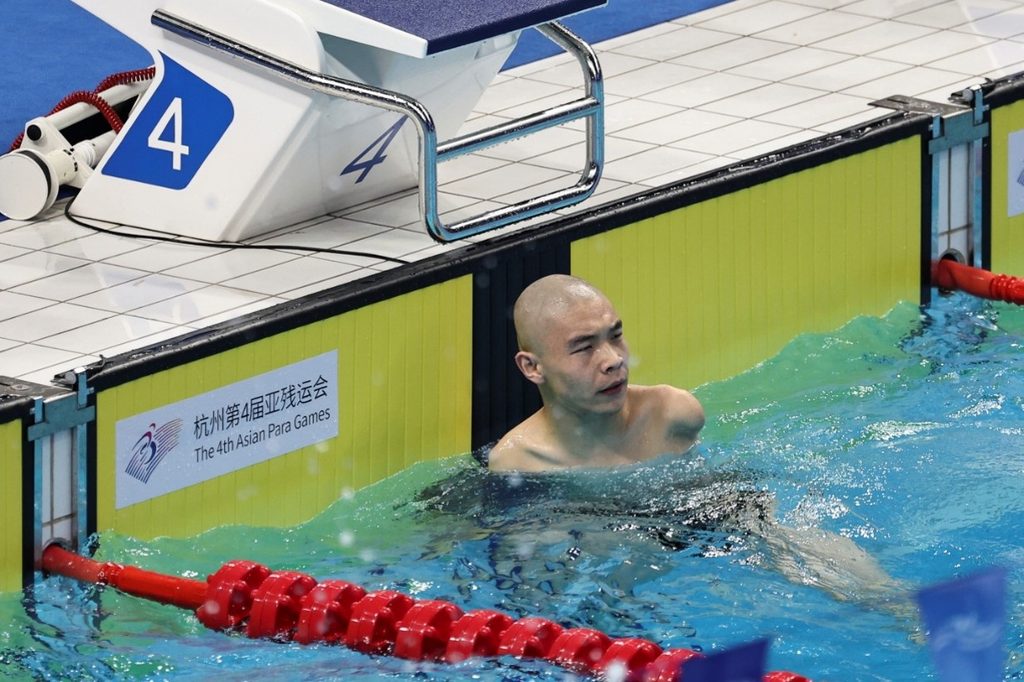
Xu Haijiao also arrives with an impressive record. He won four gold medals at Hangzhou before adding the men’s 100m breaststroke SB8 title at Paris 2024, giving China another established champion to rely on.
China’s strength extends across a number of events and classifications. Yang Hong (S6) won three golds and a bronze at Hangzhou before adding three Paralympic titles in Paris, while Xu Jialing (S9), a Rio 2016 Paralympic champion, claimed five gold medals at Hangzhou.
Zhang Meng (SB9) adds further depth to the Chinese challenge. She won two gold and claimed four silver medals at Hangzhou before taking a gold and a silver at the Paris 2024 Paralympic Games.
With multiple swimmers carrying major Games titles and extensive international experience, China will once again set a high benchmark for the rest of the field in Aichi-Nagoya.
Japan’s Home Challenge
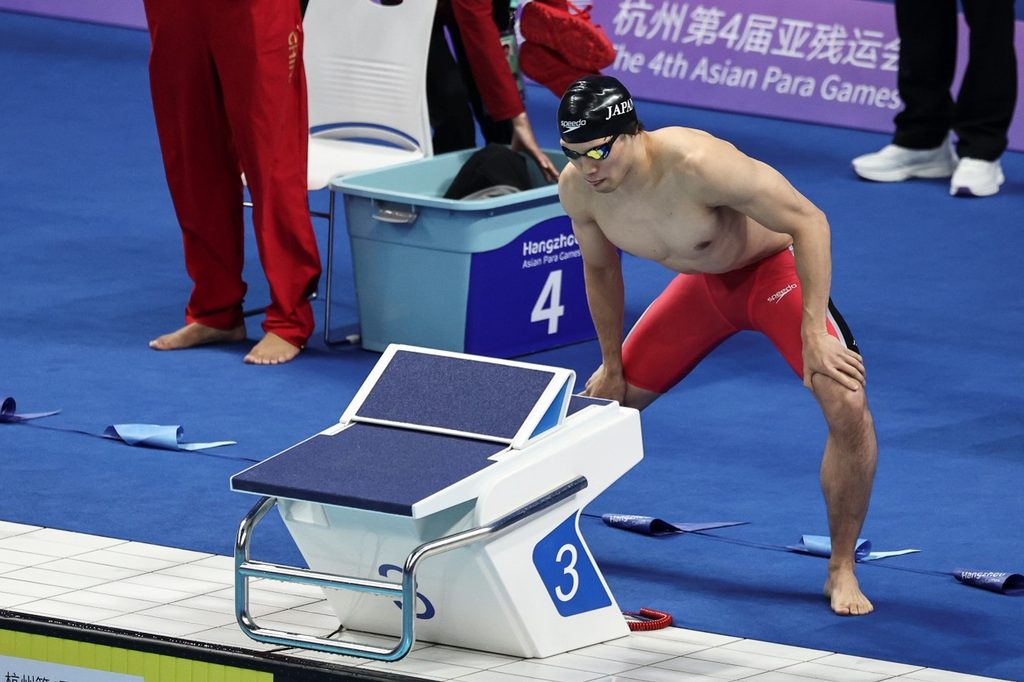
Japan will look to make the most of competing on home soil, with a group of experienced swimmers carrying strong records from the Asian Para Games and Paralympic Games.
Leading the Japanese challenge is Keiichi Kimura, one of the country’s most accomplished para swimmers. The S11 swimmer won one gold and claimed one silver at the Tokyo 2020 Paralympic Games before producing an even stronger performance in Paris, where won two gold medals. Kimura also won one gold and three silver medals at the Hangzhou 2022 Asian Para Games.
Uchu Tomita will provide further strength in the men’s S11 events. Tomita won two gold and two silver medals at Hangzhou, giving the host nation another swimmer with proven success at the continental level.
Japan will also look to Naohide Yamaguchi (S14), whose success spans both the Paralympic and Asian Para Games stages. Yamaguchi won gold at Tokyo 2020 and followed that with three gold medals and a further gold in a mixed event at Hangzhou 2022.
With Kimura, Tomita and Yamaguchi among the experienced names in the Japanese squad, the hosts will have a strong platform from which to challenge China’s established dominance.
Challengers Across Asia
While China and Japan will command much of the attention, several swimmers from across Asia arrive with strong records from Hangzhou and could challenge the established powers.
Toh Wei Soong of Singapore will be one of the leading names to watch after winning three gold and one silver medal at Hangzhou. The S7 swimmer’s success makes him one of Singapore’s strongest contenders in the pool.
Iran will also have a proven medal threat in Sina Zeyghaminejad (S10), who claimed three gold and one silver at Hangzhou in the men’s events. His record places him among the swimmers capable of challenging for further titles in Aichi-Nagoya.
Hong Kong will be represented by experienced performers including Tang Wai-lok and Chan Yui-lam. Tang won one gold and claimed one silver at Hangzhou in the men’s S14 events, while Chan enjoyed an even stronger campaign, collecting two gold and two silver medals, alongside a silver in a mixed event.
Kirill Pankov gives Uzbekistan another established contender. The S13 swimmer won one gold and two bronze medals at Hangzhou, adding another country to the list of nations capable of challenging for medals.
Southeast Asia will also have several swimmers with recent Asian Games success. Malaysia’s Muhammad Nur Syaiful Zulkafli won gold and bronze at Hangzhou in the men’s SB4 events, while Vietnam’s Le Tien Dat won gold in the men’s SB5 100m breaststroke. Together, these swimmers underline the depth of the competition beyond the two leading powers. With multiple Hangzhou champions returning to the Asian Para Games stage, the battle for the 114 gold medals is unlikely to be confined to China and Japan.