Five years ago, Japan welcomed the world’s finest Para athletes to Tokyo under the shadow of a pandemic. The stadiums were silent; the stands empty and the cheers confined to television screens and living rooms.
On Sunday evening, those missing voices seemed to find their way back.
Nagoya came alive with music, colour and applause as the Aichi-Nagoya 2026 Asian Para Games opened at Mizuho Park Athletic Stadium. It was a night when sport became the reason for a city to come together, celebrate differences and look towards a future with fewer barriers.
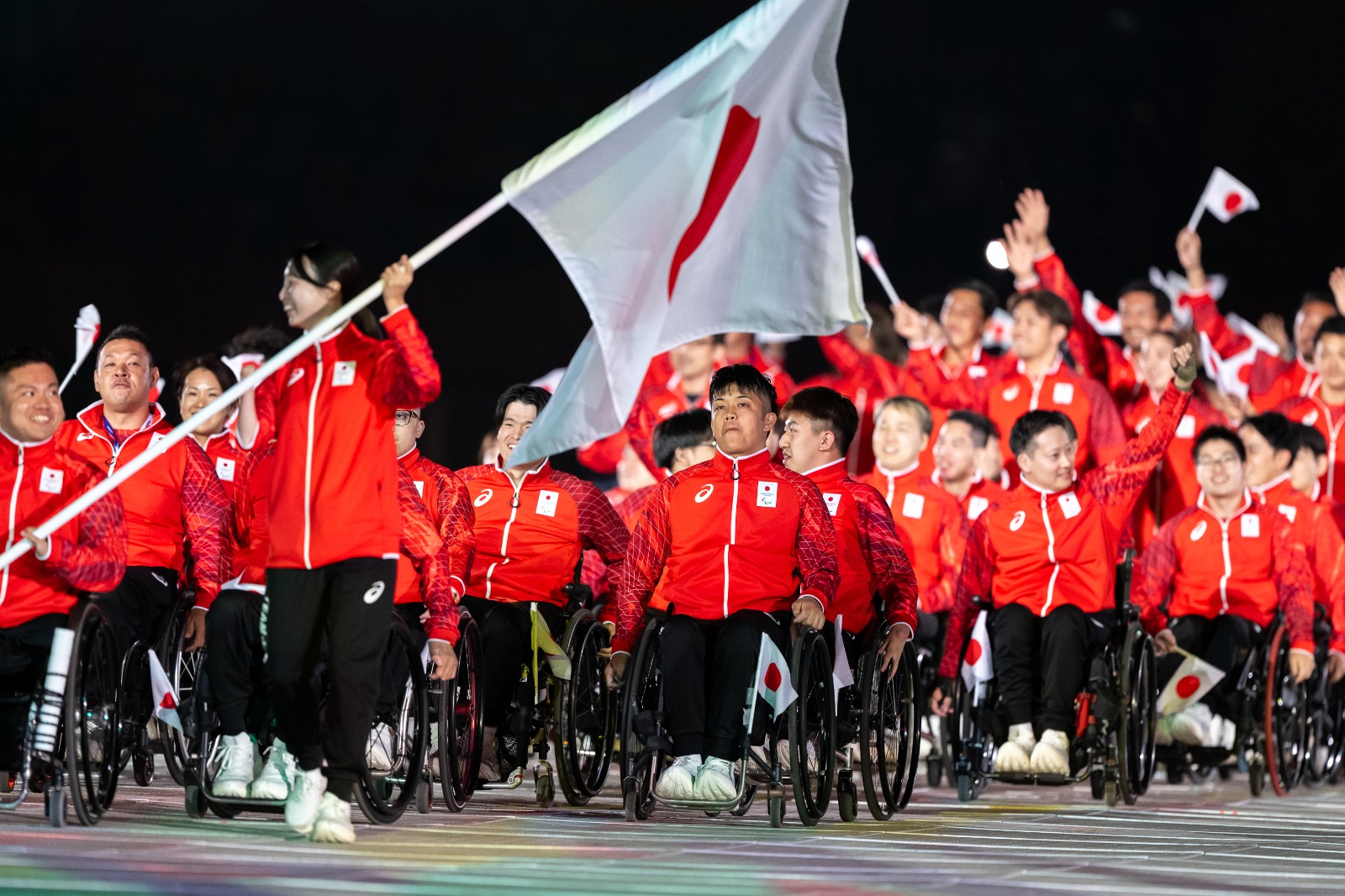
For Japan, which delivered the Tokyo Paralympics in 2021 under extraordinary restrictions, this was another opportunity to show its commitment to the Paralympic Movement. Only this time, the athletes had thousands of cheering spectators to welcome them.
When A City Opened Its Heart
The ceremony unfolded around the theme ‘WABI – We Are Beautiful Individuals’, celebrating the belief that every person has something unique to offer.
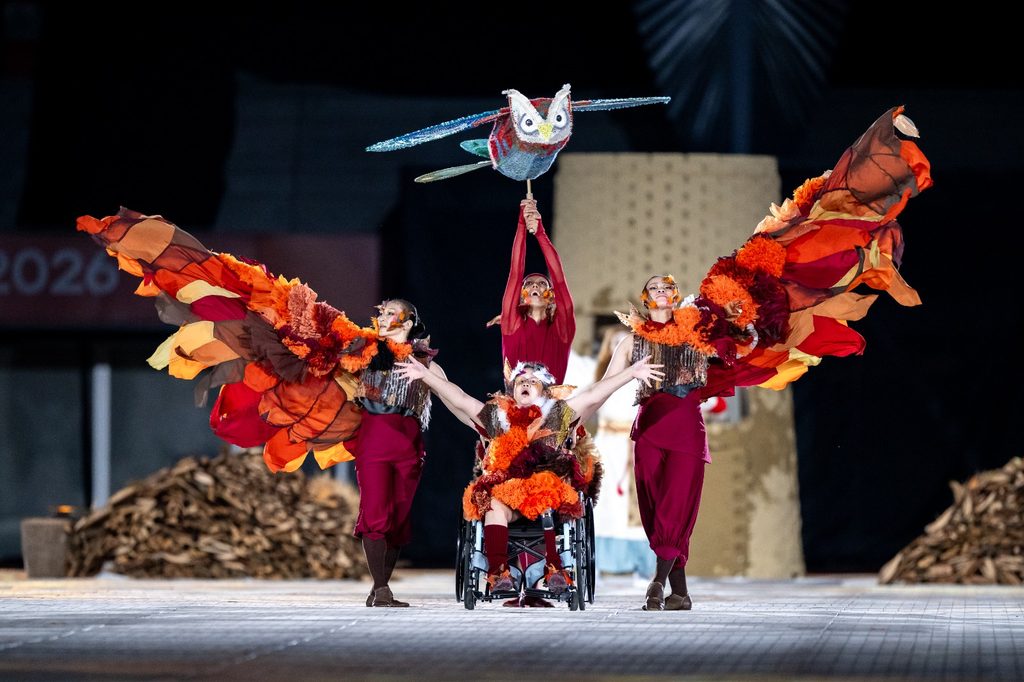
Drawing on Aichi-Nagoya’s traditional crafts, folklore and natural surroundings, artistic director Kaiji Moriyama turned the stadium into an enchanting world of forests, clay, fire and mythical beings.
An Oriental scops owl named Konoha became the unlikely storyteller of the evening. The young bird, torn between the comfort of home and the excitement of discovering unfamiliar lands, reflected the journeys that had brought athletes from across Asia to Nagoya.
The welcome gate through which the athletes entered had been made with the help of local residents, using natural and recycled materials. It was a lovely touch. The people of Aichi-Nagoya had not simply come to watch the ceremony. They had helped create it.
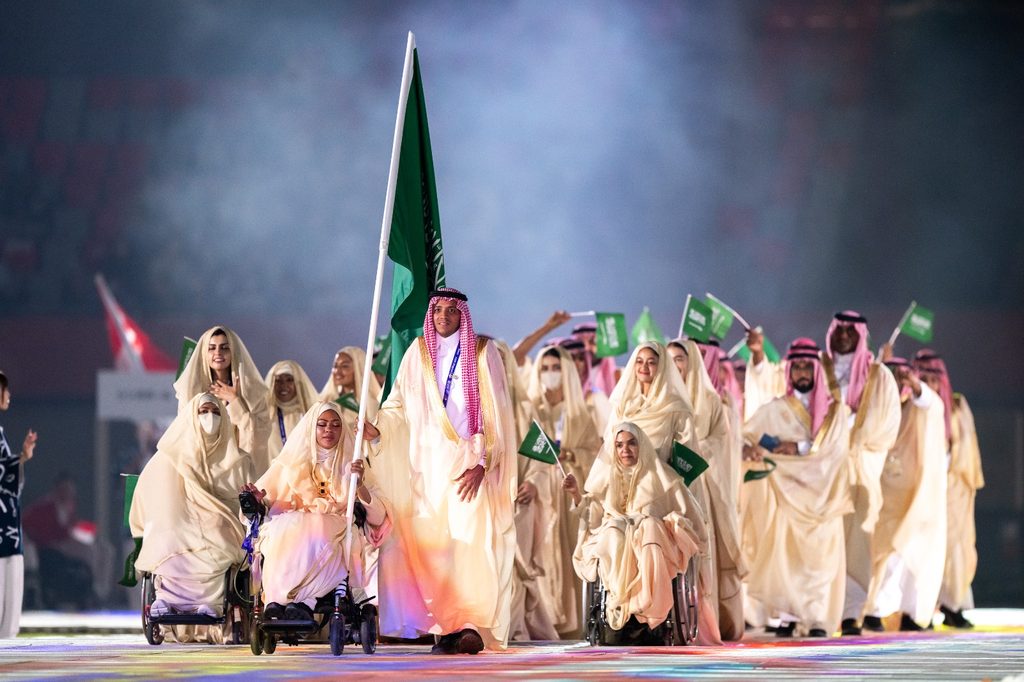
Afghanistan led the parade of 45 nations, with China’s contingent receiving one of the loudest welcomes of the evening. But the biggest roar was reserved for the home team.
When Japan entered last, the stadium erupted. Wheelchair rugby player Katsuya Hashimoto carried the national flag, experiencing something he had missed while competing at the Tokyo Paralympics.
“I experienced the Tokyo Paralympic Games in 2021, but those were held without spectators,” Hashimoto said.
“This time, they will be held with spectators, and many people will be able to witness Paralympic sports first hand. I feel a great sense of gratitude and excitement about that.”
Royal Presence Adds To The Occasion
The significance of the evening was underlined by the presence of Japan’s Emperor Naruhito, Crown Prince Fumihito, the Honorary President of the Games, and Crown Princess Kiko.
They joined International Paralympic Committee President Andrew Parsons, Asian Paralympic Committee President Majid Rashed and other dignitaries.
Emperor Naruhito formally declared the Games open, adding another chapter to a country whose Paralympic history stretches back to Tokyo 1964 and the pioneering regional Para Games held in Oita in 1975.
A Celebration Rooted In Tradition
The performances brought Aichi’s cultural heritage to life without losing sight of the occasion’s wider message.
The Nekko-tai, or Root Troupe, danced with enormous fans, while supernatural figures known as Oni, drawn from traditional Japanese festivals, appeared amid music and clouds of white powder.
There was symbolism in every act, but the message was simple, different people, traditions and experiences can come together to create something beautiful.
Even the voices telling the story included children and adults with disabilities, making inclusion part of the ceremony itself rather than merely its theme.
‘Make Memories. Make History. Inspire Change’
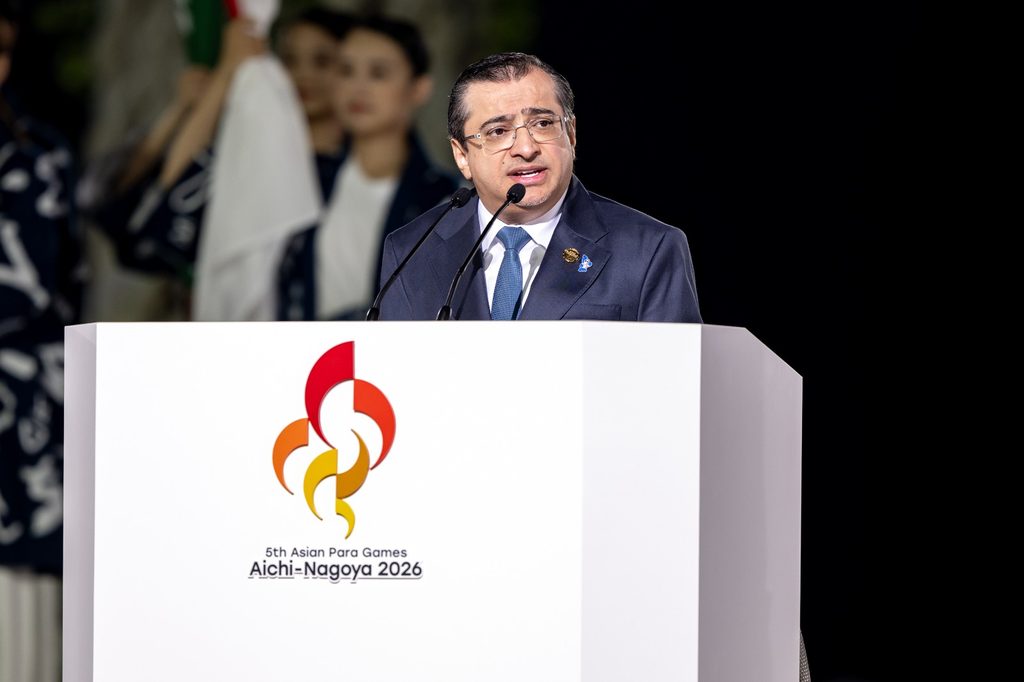
Organising Committee President Hideaki Ohmura paid tribute to the athletes and the difficult journeys that had brought them to Japan.
“To all the Paralympic athletes, what a long and arduous journey you must have undertaken to stand on this stage,” he said.
“I’m sure there were times when it was tough and painful. Yet, without ever giving up, you endured rigorous training and pushed your own limits to get this far.”
APC President Majid Rashed reminded the athletes that their performances could influence lives well beyond the competition venues.
“Every performance can challenge a perception. Every achievement can break a stereotype. Every athlete can give a young person watching from the stands or from home the courage to dream differently,” said Rashed, who also left them with a challenge.
“Make memories. Make history. But most importantly Inspire Change.”
A Flame For Tomorrow
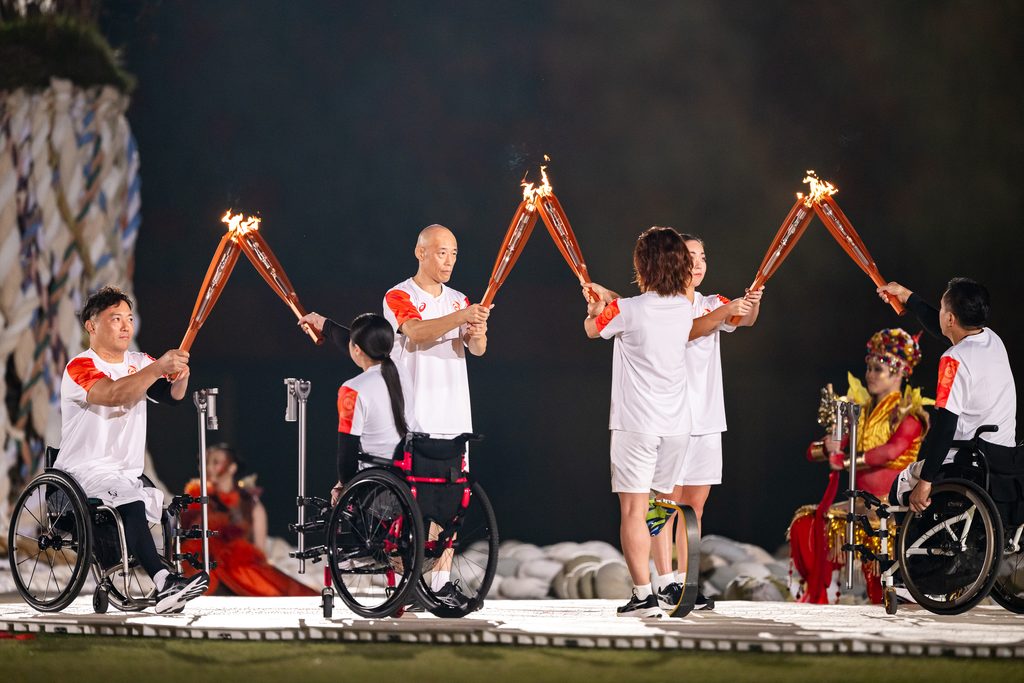
The evening reached its emotional peak with the lighting of the cauldron, handcrafted from clay sourced from Aichi’s three pottery regions, Seto, Tokoname and Sanshu.
Former wheelchair basketball player Katsumi Miyake, former Para athletics long jumper Maya Nakanishi and Para alpine skiing champion Momoka Muraoka completed the final stage of the torch relay.
As the flame rose, Konoha, the little owl that had spent the evening wondering whether to leave home, finally spread its wings.
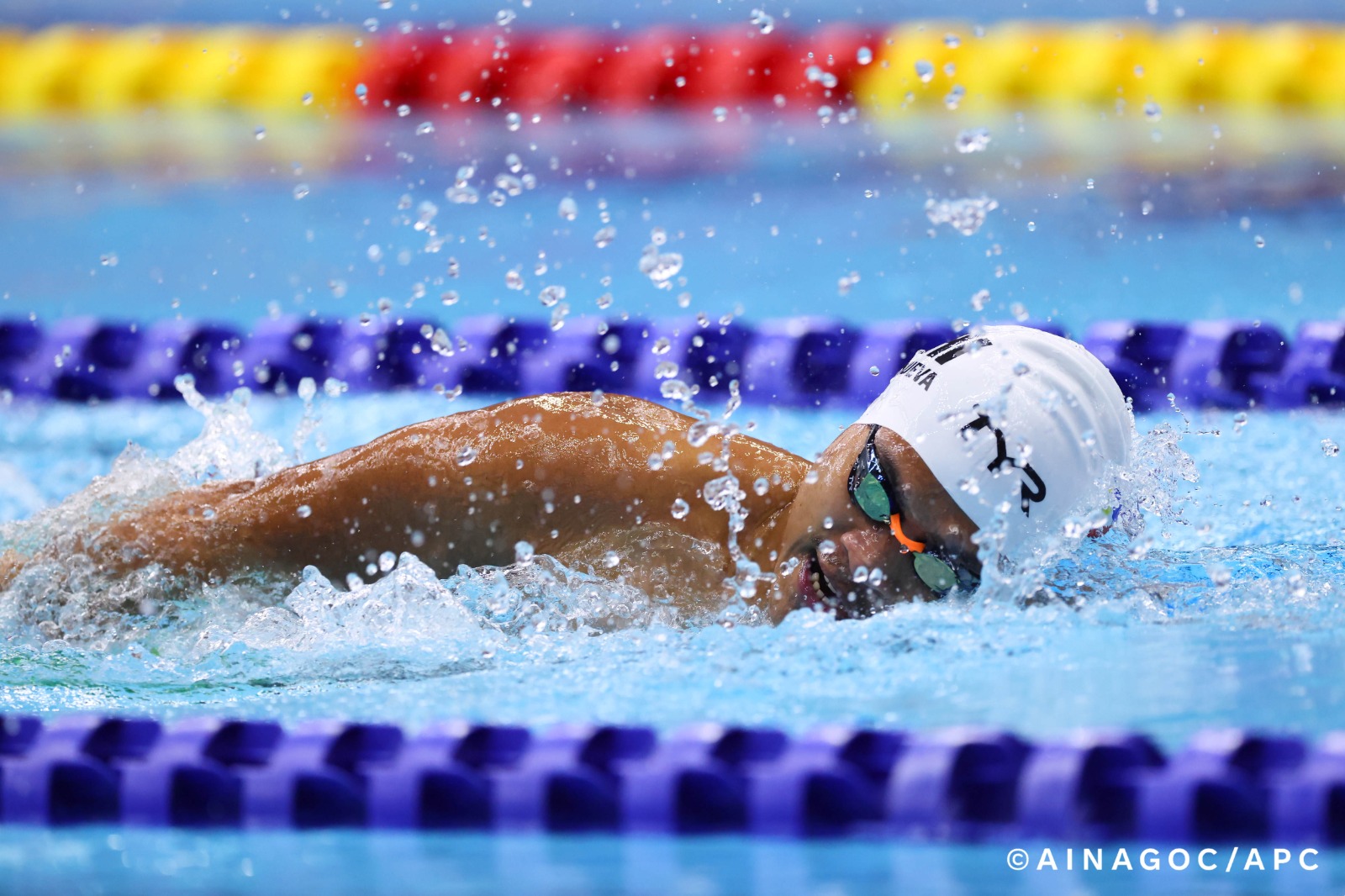
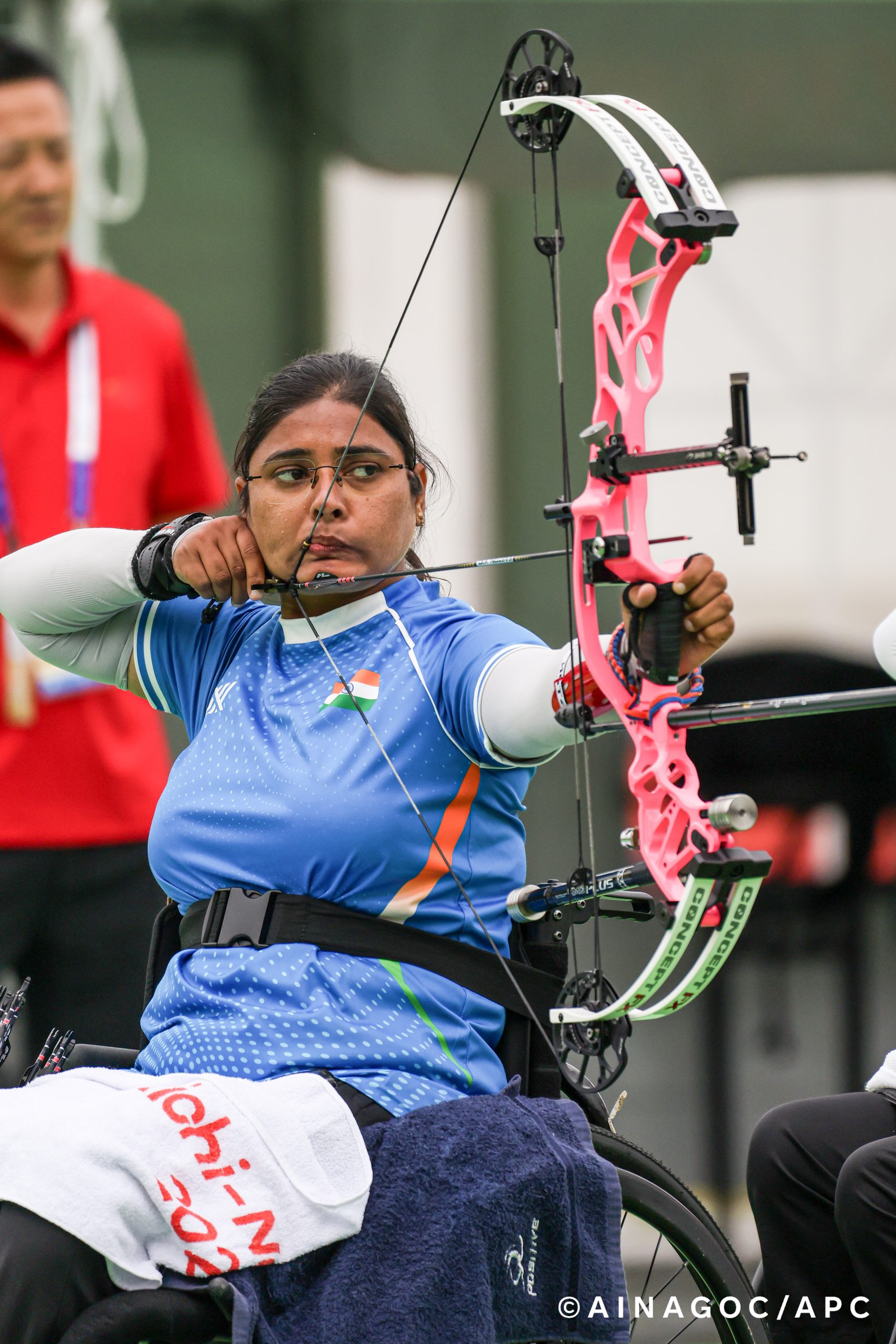
For the coming days, Nagoya will belong to athletes chasing medals, records and personal milestones across 18 sports.
But Sunday also belonged to the people of Aichi-Nagoya, the craftspeople who shaped the cauldron, the performers who brought its traditions alive, the volunteers who welcomed visitors and the families whose cheers gave the athletes the reception they deserved.
Tokyo had shown the world that the Paralympic spirit could survive even when the world was going through a humanitarian crisis. Nagoya offered something different, the joy of sharing that spirit together. And somewhere, perhaps far beyond Japan, a youngster with a disability watching the ceremony may have begun to imagine a future that once seemed out of reach.