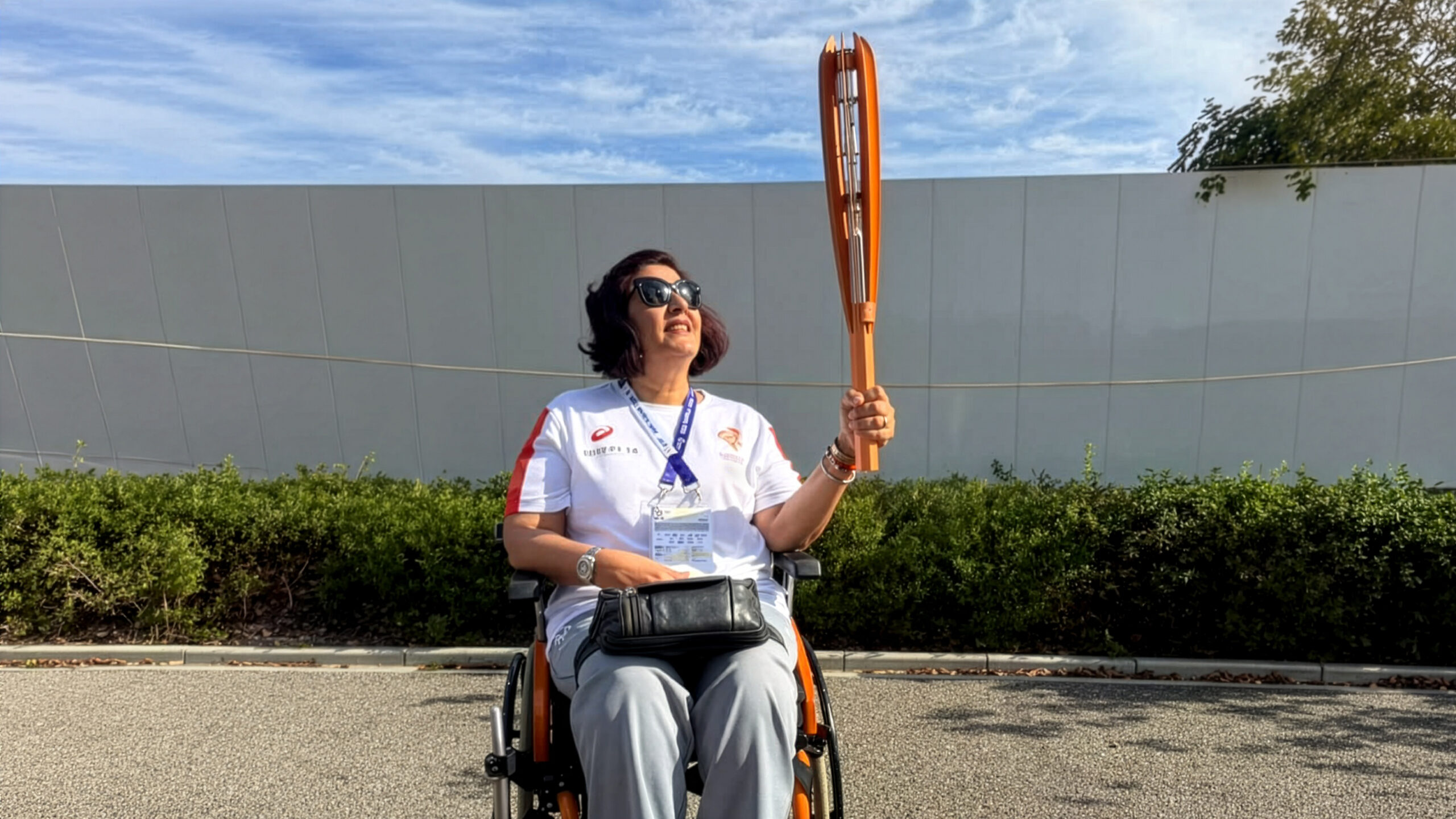
Deepa Malik once had to stay outside athletes’ accommodation because there was no room accessible to her wheelchair. She competed without an attendant and, at times, without even knowing what equipment was available to help her.
Nearly two decades later, the Indian Paralympic trailblazer is helping shape the future of a sport she once struggled to navigate. Women are competing in greater numbers, records are falling, and athletes with disabilities are gaining recognition.
But Malik, now an Asian Paralympic Committee (APC) Executive Board as South Asia representative, believes the real progress will come when athletes themselves help shape the policies and opportunities for those who follow.
“Every athlete should not only play but also educate themselves to give back to the sport,” Malik said in an interview ahead of the Aichi-Nagoya 2026 Asian Para Games.
“When old athletes turn into coaches, administrators… they know where the shoe pinches. And they will always prioritise athletes.”
For Malik, it is a lesson drawn from experience, and hence, she wants the next generation to benefit from.
From Athlete to Administrator
Malik’s memories of competing in 2006 and 2007 reveal how much Para sport has evolved.
“I didn’t even know that there is a throw frame. Once I reached there, then I learnt, oh, there are throw frames. So that was the level of awareness we had,” she recalled of a competition in Taiwan.
Today, she sees better coaching, sports science support and greater opportunities for athletes. Yet she believes the biggest challenge lies in identifying talent early and helping athletes progress from grassroots programmes to international competition.
That, she argues, requires stronger district and state federations and greater involvement from former athletes who understand the demands of competitive sport.
Women Are No Longer On The Sidelines
One of the most encouraging developments for Malik is the rise in female participation at Nagoya.
“Today we were looking at the data, we had 44% women participation as against 56%. It never used to be like this,” she said.
She recalled how women with disabilities once faced social restrictions and little encouragement to pursue sport. Today, families are increasingly supporting their ambitions.
“The taboos are lifting and the policies are making it very safe for girls to come out and play even in disability.”
Athletes such as India’s Sheetal Devi and Payal Nag, emerging from remote communities, have also helped change public perceptions. The growing presence of women coaches, psychologists and officials has provided further encouragement.
The Next Generation Cannot Be Left Waiting
Despite India’s progress in archery, athletics and other disciplines, Malik believes sustaining that success requires greater investment in young athletes. “The younger athletes, the pipeline should not break,” she warned.
She wants every physical education teacher to receive training in Para sport alongside their chosen discipline. “It should be mandatory for them to parallelly qualify for Para as well. This is going to create a humongous pool of coaches.”
Malik has already written to the Sports Ministry proposing the change.
She also called for sustained funding and more regional classification opportunities, particularly for athletes from developing nations who cannot afford expensive international travel.
Beyond Medals And Records
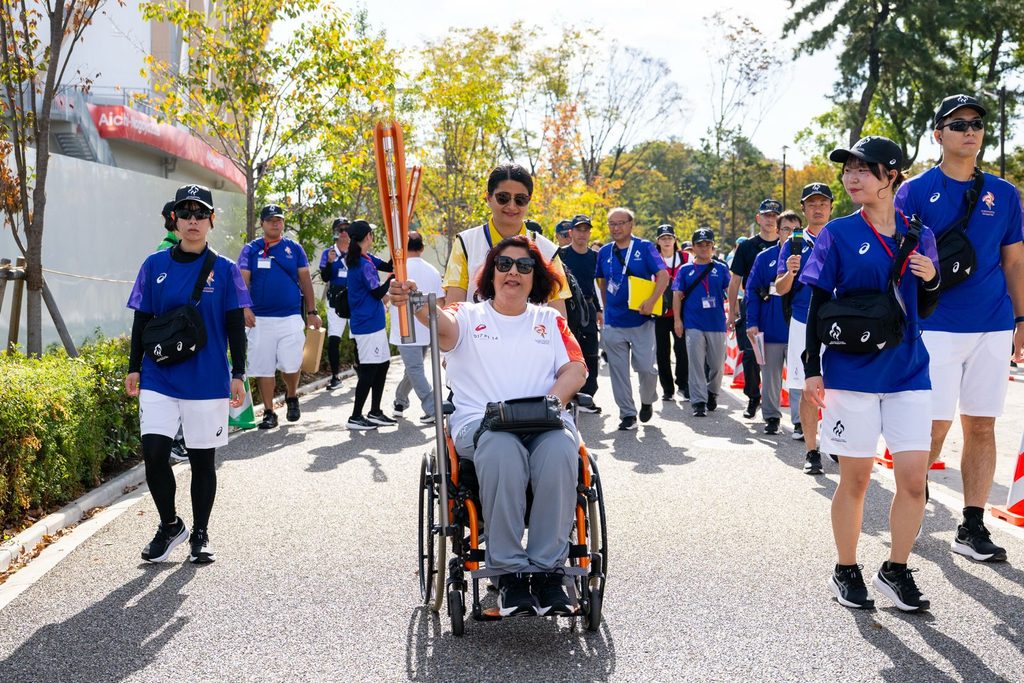
As an APC representative for South Asia, Malik is encouraged by progress in neighbouring countries, including Nepal, Bangladesh, Bhutan and Sri Lanka.
Her own journey has taken her from beginning international competition at 40 to winning medals, setting records and eventually leading the Paralympic Committee of India.
During her tenure, India achieved a then-record 111 medals at the Hangzhou Asian Para Games, a tally she hopes will be surpassed. “Really want to break that also,” she said.
‘This Is The Power Of Sport’
Malik’s connection to Para sport is also deeply personal. Her daughter competed at the previous Asian Para Games, recording a personal best in the women’s T37 100 metres.
“For us as a mother-daughter, it would have been a very tabooed life… in the same family, two members, both females are paralysed,” she said.
“But this is the power of sports. And I want every person with disability to understand this power of Para sports. It gives you fitness, it gives you dignity, it gives you social integration. It gives you a new identity.”
For Malik, the journey from athlete to administrator has brought different responsibilities, along with ensuring that the next generation receives the opportunities she once had to fight for.
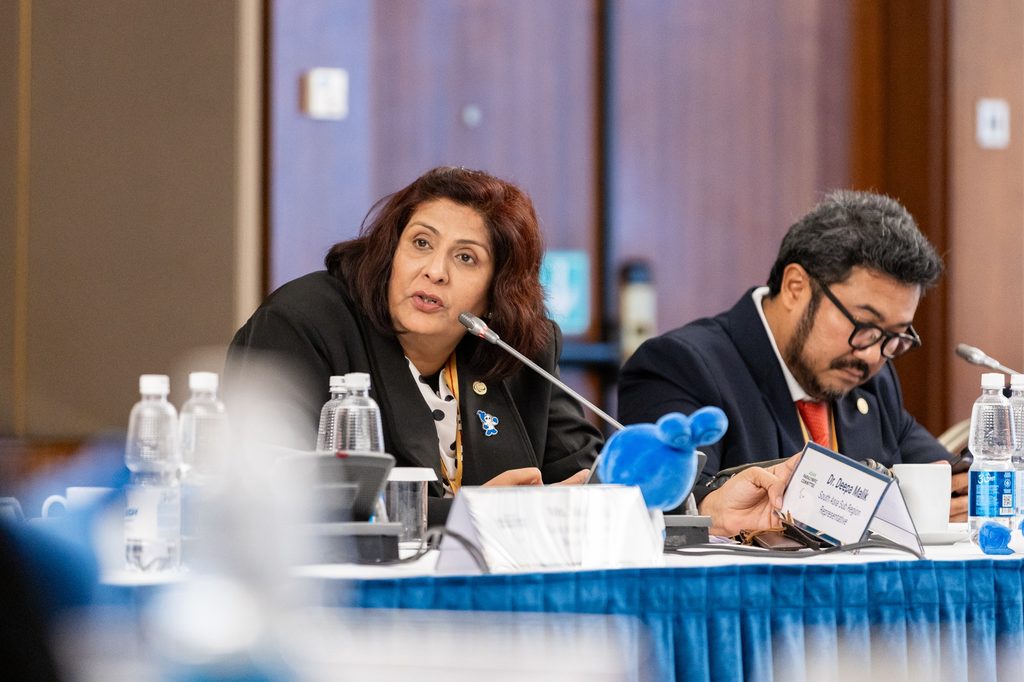
“Athlete first is the rule of the whole movement,” she said, asserting that is the legacy she hopes to build, one in which today’s champions help shape a better future for those who follow.
By ND Prashant for APC