South Korea’s Paralympic Boccia champion suffers a surprise opening defeat to Japan’s Kazuki Takahashi but remains confident that two wins can keep his medal hopes alive
This was not how Howon Jeong had imagined beginning his Aichi-Nagoya Asian Para Games campaign.
The South Korean Boccia legend, who has spent nearly two decades collecting medals and building a reputation as one of the finest players in the sport, was on the receiving end of a stunning opening-day upset.
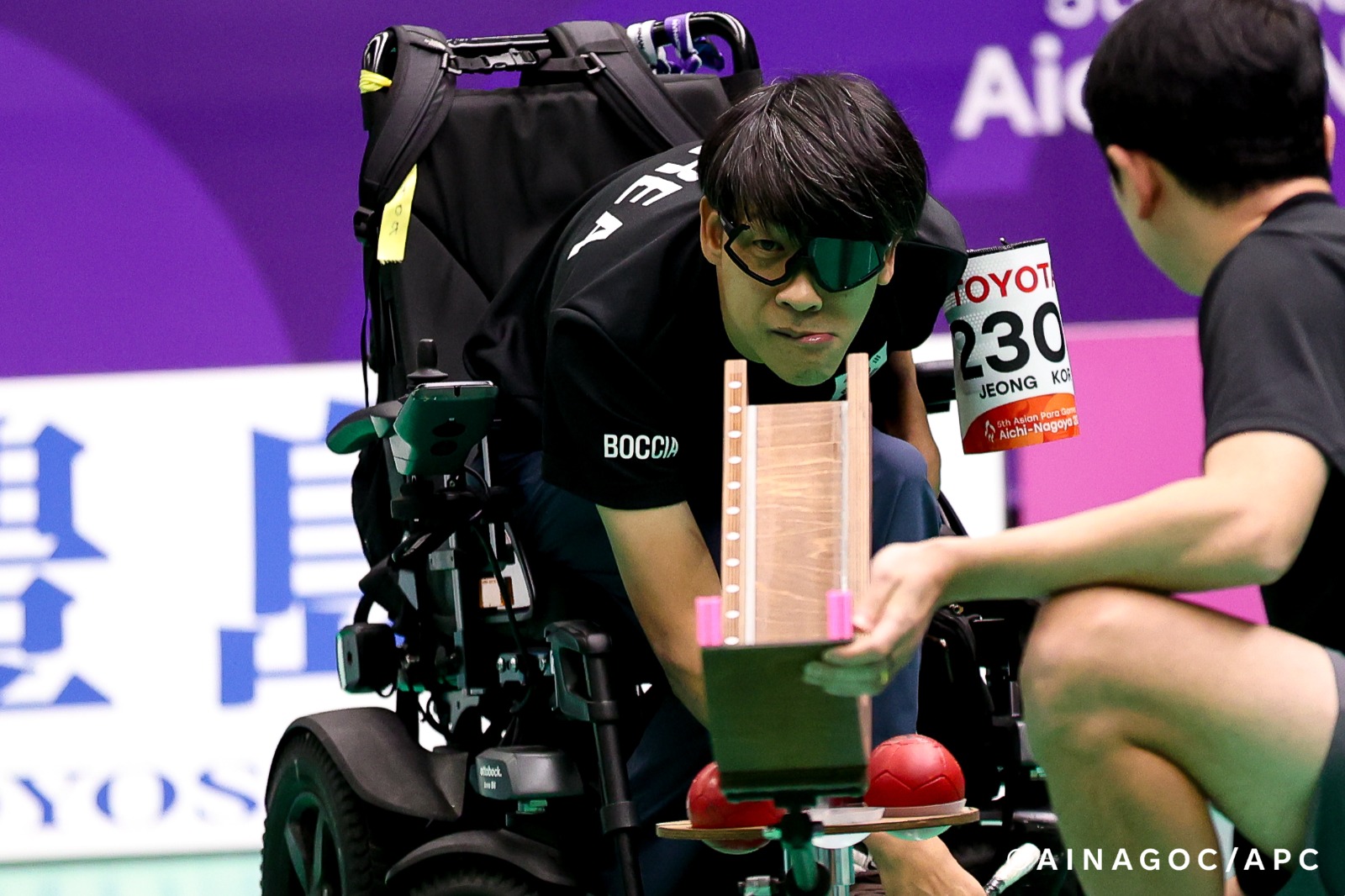
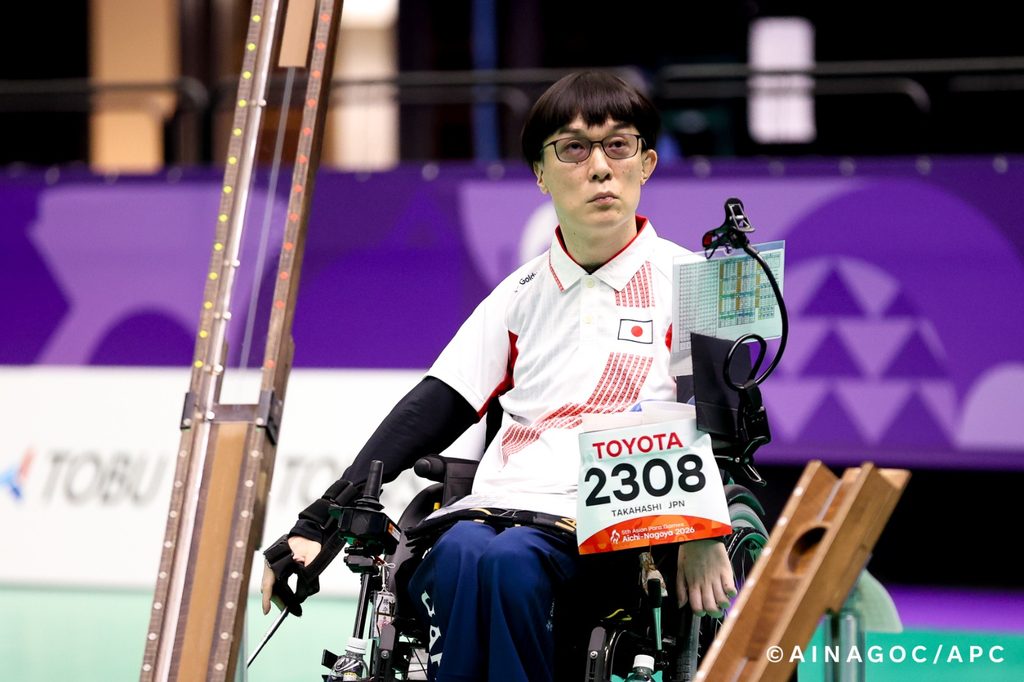
Japan’s Kazuki Takahashi had just beaten the reigning Paralympic champion in a tense men’s individual BC3 contest, prevailing in a tie-break after the scores were locked at 3-3.
As Takahashi was surrounded by the Japanese media, Jeong quietly wheeled himself towards the changing room. It was an unfamiliar sight. The man who had made winning almost a habit was suddenly the one walking away from defeat.
One wondered whether he would still be willing to talk. Earlier, while training, he had agreed to an interview. But that was before the result.
As he passed, Jeong brushed the hair falling across his face and briefly made eye contact, offering a quiet reassurance that our conversation was still on.
A few minutes later, he was back. He glanced towards Takahashi, who was still enjoying his moment in the spotlight, before settling down to explain what had gone wrong.
There was disappointment, certainly. But there was something else, too. Jeong was already thinking about his next match.
Two Matches, One Unfinished Dream
Through an interpreter, Jeong explained that the two tie-breaks had left him “exhausted”. The defeat had not been part of the plan, but he was hardly ready to surrender his medal ambitions.
Two group matches remained, and he believed winning both would keep his hopes of progressing alive.
“It did not go as we planned, so now I aims to win the next two games,” he conveyed through his interpreter.
For a four-time Paralympic gold medallist with seven medals overall, the response was simple. No excuses, just a determination to make amends.
Every Word Takes Effort
Speaking is physically demanding for Jeong. During our conversation, he moved his face and tongue with considerable effort to form his words, pausing as his interpreter helped communicate his thoughts. But there was no hesitation about what he wanted to say.
Jeong has cerebral palsy, which affects his movement, coordination and speech. He developed the condition following a childhood fall from his bed. Competing in the BC3 category, he uses an assistive ramp to deliver his Boccia balls towards the target.
Introduced to the sport by a physical education teacher at 12, Jeong has devoted more than two decades to mastering a game where the slightest change in angle or distance can decide a match.
“Due to his disability, this is the only sport that he can play. So that is his motivation to play as hard as he can,” his interpreter explained.
Carrying Korea’s Golden Tradition
Jeong’s achievements have given him a special place in South Korean sporting history.
At Paris 2024, he defeated Australia’s Daniel Michel for the men’s individual BC3 gold, extending South Korea’s remarkable record of winning at least one boccia gold at 10 consecutive Paralympic Games.
Paris did not change him much personally, he said. What mattered was maintaining a tradition built by generations of Korean athletes.
Jeong trains around five hours daily, usually resting on weekends. Yet he sees no secret behind his success.
There was nothing “particularly unusual” about his approach, he said with a broad grin. He simply tried his hardest every time he competed. Sometimes, a “little luck helped too”.
He also credited South Korea’s Paralympic authorities and sporting federations for the structured training and sports science support that have helped sustain the country’s dominance.
The Champion Who Refuses to Stop
Despite his achievements, Jeong said he is better known within the Paralympic community than among the wider public. There was certainly no fuss when he returned for our interview after his defeat. He had lost a match, not his belief.
Before leaving, when asked what message he would give to people who looked to him for inspiration. His answer was not about gold medals, records or the fame that comes with winning.
It was about perseverance, something he had been forced to draw upon that very afternoon.
“Not only in Boccia, but in all industries or life, when you face obstacles, please don’t give up,” he said through his interpreter.
For a champion who has spent years winning at the highest level, one defeat was not going to shake his belief. With two matches still to play, Jeong was clearly not ready to give up on his medal hopes.
By ND Prashant